Lithium jump starter vs lead-acid jump box
A compact lithium jump starter like the AstroAI S8 ($49.99, 1500A peak) fits in a glovebox and recharges in a couple of hours, and it is worth knowing upfront that this catalog, like most of the current market, stocks lithium packs rather than the older sealed lead-acid jump boxes; the closest heavy-duty equivalent stocked here is the YESPER 6000A 12V/24V Truck Jump Box ($219.99).

AstroAI S8 Car Battery Jump Starter 1500A, Portable 12V Lithium Jump Box
1,500A peak
Everyday passenger cars and SUVs where glovebox size and light weight matter
Verdict: If you searched for a lead-acid jump box specifically, know that the market has largely moved to lithium packs, including the heavy-duty options built for trucks and diesel engines. A compact lithium unit like the AstroAI S8 covers most passenger cars and SUVs, while a heavy-duty lithium unit like the YESPER 12V/24V model is the better fit for larger gas or diesel engines that need more sustained cranking support.
The two sides
- Compact lithium jump starterAstroAI S8 Car Battery Jump Starter 1500A, Portable 12V Lithium Jump Box1,500A peak$49.99Check price on Amazon
 Heavy-duty jump box (lithium, not lead-acid)YESPER 12V/24V Car Battery Jump Starter 6000A Heavy Duty Truck Jump Box6,000A peak / 12V/24V$219.99Check price on Amazon
Compact lithium jump starter
Best for: Everyday passenger cars and SUVs where glovebox size and light weight matter
- Small enough to store in a glovebox or center console
- Recharges far faster than a bulky sealed battery pack
- 1500A peak rating covers most standard passenger vehicles
Drawbacks: Lower peak amp rating than heavy-duty units, so it is not the right pick for large diesel engines Like all lithium packs, needs to stay within the maker's stated storage temperature range
Heavy-duty jump box (lithium, not lead-acid)
Best for: Trucks and larger engines that need higher peak amps and 12V/24V support
- 6000A peak rating and 12V/24V support fit larger trucks and equipment
- Still far lighter and more portable than an old-style sealed lead-acid unit of similar output
- Faster recharge than a traditional sealed battery jump box
Drawbacks: Bulkier and heavier than a compact lithium unit, though still lighter than a comparable lead-acid box Higher price than a compact lithium jump starter
| Lithium jump starter | Lead-acid style jump box | |
|---|---|---|
| Available in this catalog | Yes, every jump starter stocked here | No, not currently stocked |
| Typical weight class | Light, fits in a glovebox or bag | Heavy, a sealed-battery brick historically carried in a trunk |
| Recharge speed | Generally a couple of hours or less | Historically much slower on a standard charger |
| Cold-weather behavior | Varies by pack, check the maker's rated temperature range | Historically more tolerant of extreme cold, though bulkier overall |
| Price range in this catalog (jump starters) | $35.99 to $259.99 | not applicable, no lead-acid unit stocked |
| Example model | AstroAI S8, $49.99, 1500A | YESPER 6000A 12V/24V Truck Jump Box, $219.99 (lithium, used here as the heavy-duty comparison) |
Does this catalog carry a traditional lead-acid jump box?
No. Every jump starter stocked here, from compact glovebox units to the heaviest-duty truck models, uses a lithium-ion pack. This mirrors where the broader market has gone over the last several years: the old-style sealed lead-acid jump box, the heavy brick with jumper clamps that lived in a lot of trunks in previous decades, has largely been displaced by lighter, faster-charging lithium packs.
If you specifically want the largest, most rugged jump box for a truck or diesel engine, the closest fit stocked here is the YESPER 12V/24V 6000A Truck Jump Box. Its listing does not state a lead-acid chemistry, and this page does not claim it is one, it is presented here as the heavy-duty lithium equivalent for readers comparing that category.
Why did the market move away from lead-acid jump boxes?
Lead-acid jump boxes were bulky and heavy because sealed lead-acid cells store less energy per pound than lithium chemistries, so reaching a useful peak amp rating meant a bigger, heavier battery. Lithium packs deliver comparable or higher peak amps in a fraction of the size and weight, recharge faster, and generally hold a charge in storage longer between uses, which is why most current jump starter listings, including everything in this catalog, are built around lithium rather than lead-acid.
The tradeoff buyers should know about is temperature sensitivity. Lithium packs generally need to stay within a narrower storage temperature range than old lead-acid units tolerated, particularly avoiding extreme heat, which matters if you plan to leave one in a car during summer.
How do you size a lithium jump starter to your engine?
Cranking demand runs roughly 1 amp per cubic inch of engine displacement for gas, roughly double that for diesel, and more in cold weather. Since 1 liter equals about 61 cubic inches, a large diesel engine can demand well over a thousand amps of cranking current, which is why heavy-duty models like the YESPER 6000A unit exist alongside compact 1500A units like the AstroAI S8 built for smaller gas engines. Because peak amp ratings are not standardized across brands, the maker's stated maximum engine size is a more reliable comparison than the peak amp number alone.
What should you do with the storage temperature warning on a lithium pack?
Check the specific unit's manual for its rated storage temperature range and keep it within that range, particularly avoiding a closed car in extreme summer heat, which is the most common way lithium jump starter packs degrade prematurely. A jump starter left in a hot trunk all summer is more likely to underperform or fail exactly when you need it.
More options on both sides
Prices change often.

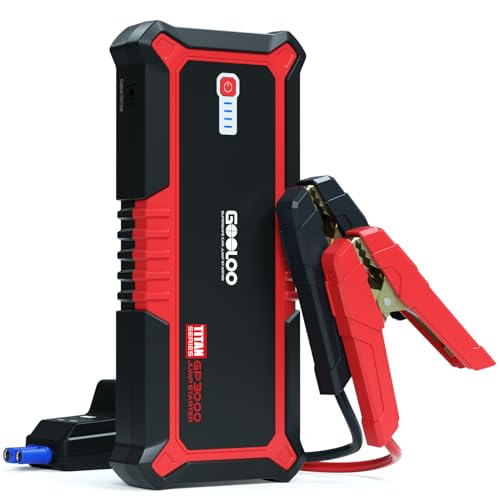 GOOLOO GP3000 Jump Starter, 3000A Peak Car Starter (9L Gas or 7L Diesel)3,000A peak / 9L gas / 7L diesel$59.96Check price on Amazon
 8000A Peak 12V/24V Jump Starter for Large Gas & Diesel Engines, Heavy-Duty Battery...8,000A peak / 12V/24V$249.99Check price on Amazon
 8000A 12V/24V Heavy Duty Jump Starter, Portable Battery Jump Box for Gas & Diesel...8,000A peak / 12V/24V$259.99Check price on Amazon
Frequently asked questions
Can I still buy a lead-acid jump box anywhere?
Some retailers may still carry legacy sealed lead-acid jump boxes, but they have become a small share of the market as lithium packs have taken over for their lighter weight and faster recharge. This catalog does not currently stock a lead-acid unit, so every jump starter option here, compact or heavy-duty, uses a lithium pack.
Is a lithium jump starter as reliable in cold weather as lead-acid was?
Lithium packs can lose some output in very cold temperatures, similar to how lead-acid batteries do, though the degree varies by model and by how the pack's internal management system handles cold starts. Check the specific unit's cold-weather rating if you regularly deal with sub-freezing temperatures, and keep the pack itself warm, such as inside the cabin rather than the trunk, in extreme cold.
Do heavy-duty lithium jump boxes weigh less than old lead-acid ones?
Generally yes, by a wide margin, since lithium chemistries pack more usable energy into less weight than sealed lead-acid cells. A heavy-duty lithium unit rated for large diesel engines is still noticeably lighter and more compact than a lead-acid jump box that offered comparable output.
How long does a lithium jump starter hold its charge in storage?
Many lithium jump starters are rated to hold a usable charge for several months between top-offs, though this varies by model and by storage temperature. Check the specific unit's manual for its stated shelf charge retention, and get in the habit of topping it off every few months regardless of the rating.
Which jump starter should I buy for a diesel truck?
Match the maker's stated maximum engine size to your truck's displacement rather than relying on peak amps alone, since peak amp ratings are not standardized across brands. A heavy-duty model with 12V/24V support and a diesel liter rating at or above your engine's displacement, like the YESPER 6000A 12V/24V Truck Jump Box, is a safer fit than a compact unit built for passenger cars.